Silicon Valley, from the inside
Different companies. The same clarity problem.
When you only communicate the product, and the product changes, the brand has no ground to stand on.
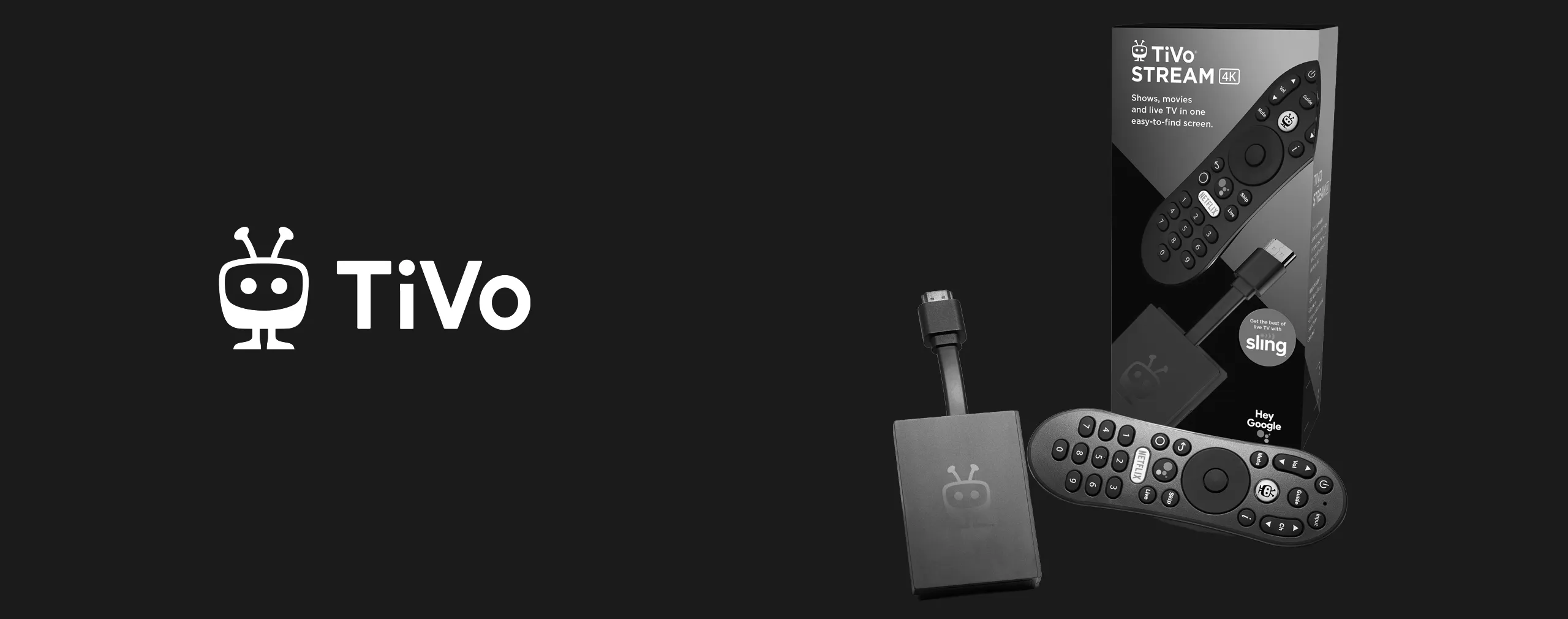
TiVo was known as a DVR — the technology for recording television. For a while that made sense. But streaming arrived, the way people consumed entertainment changed, and the brand was still anchored in "we record television." The market was putting TiVo in a box too small for what it actually did. The solution wasn't to invent another company. It was to explain the value better in today's context. To move from "we're a DVR" to "we bring all your entertainment into one place." It no longer competed as a technical feature — it competed as the answer to a real problem: the chaos of content fragmented across a thousand different platforms.
TakeawayYou don't have to change what you sell. You have to change how the market understands what you're for.
A brand grows only as far as its idea lets it.
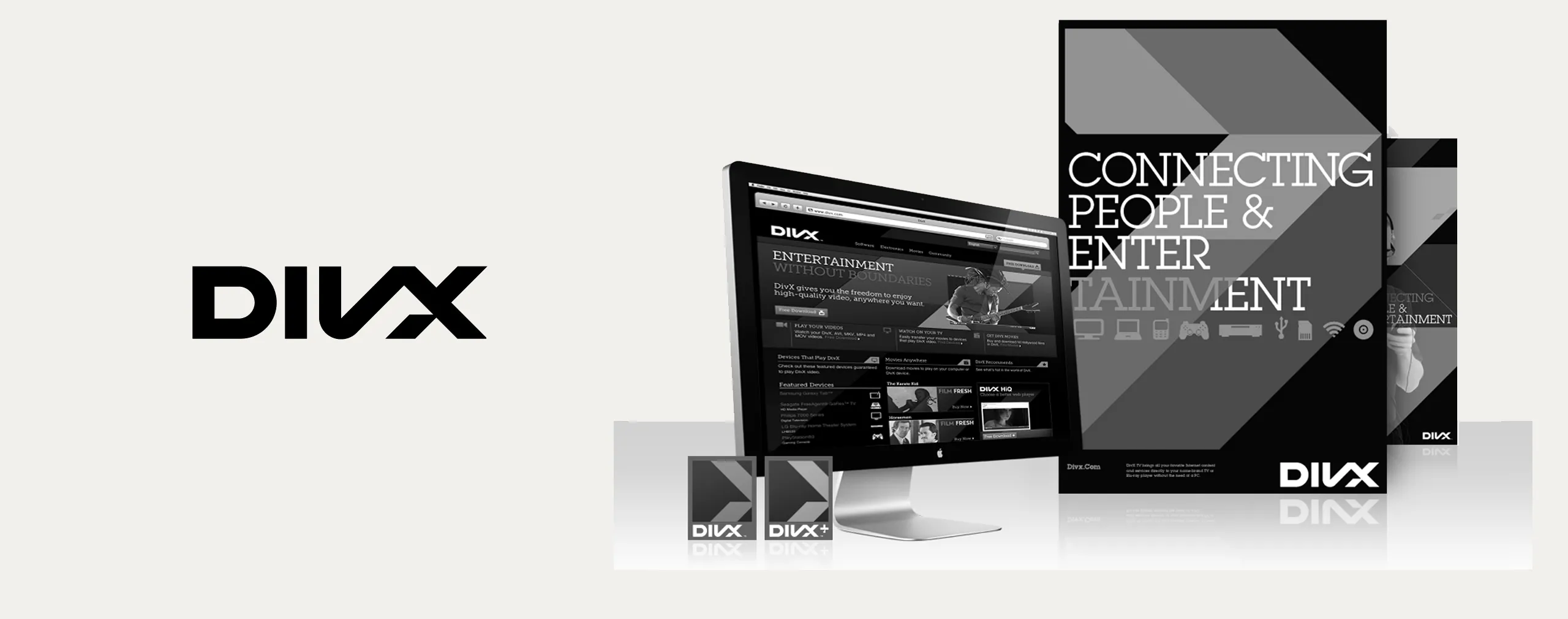
DivX started as the rebel codec — the MP3 of video. A community that loved it and major electronics makers paying for licenses. When streaming arrived, the products evolved. But the brand was still "the codec." An idea too small for what DivX had become. The work was to find the idea that connected everything — not the codec, not the technology, but what DivX actually did for people: connect people with entertainment. With that idea at the center, every product found its place. The brand stopped being a specific technology and became something the market could understand, remember and choose.
TakeawayThe idea that holds up a brand determines how far it can grow.
The most invisible value is the value no one can name.
Rovi had technology inside millions of devices — the program guides, the metadata, the search systems behind almost the entire digital entertainment industry. A solid business. Real customers. And a name that meant nothing. The problem wasn't the product. It was that no one — inside or outside the company — could explain in two sentences what Rovi was. Before you could sell the value, you had to make visible what already existed. Turning complexity into clarity changed how the market saw the company. And how it bought.
TakeawaySimplifying isn't reducing value. It's making it visible.

The market doesn't choose whoever's first. It chooses whoever best explains why it matters.
TiVo+ entered a market crowded with FAST platforms. The product was solid. But without a clear position, the market didn't understand why to choose it over others offering similar content. More activity didn't solve the problem — it amplified it. The work was to define what place TiVo+ held in the user's mind and build a coherent narrative at every touchpoint. When the market understood why it existed, the conversation changed.
TakeawayLaunching is easy. Getting the market to understand why you're different isn't.
Contact
Recognizing the pattern is the first step. Knowing where to act is the work.
If you think your value proposition isn't landing the way it should, let's talk.
Request a conversation →